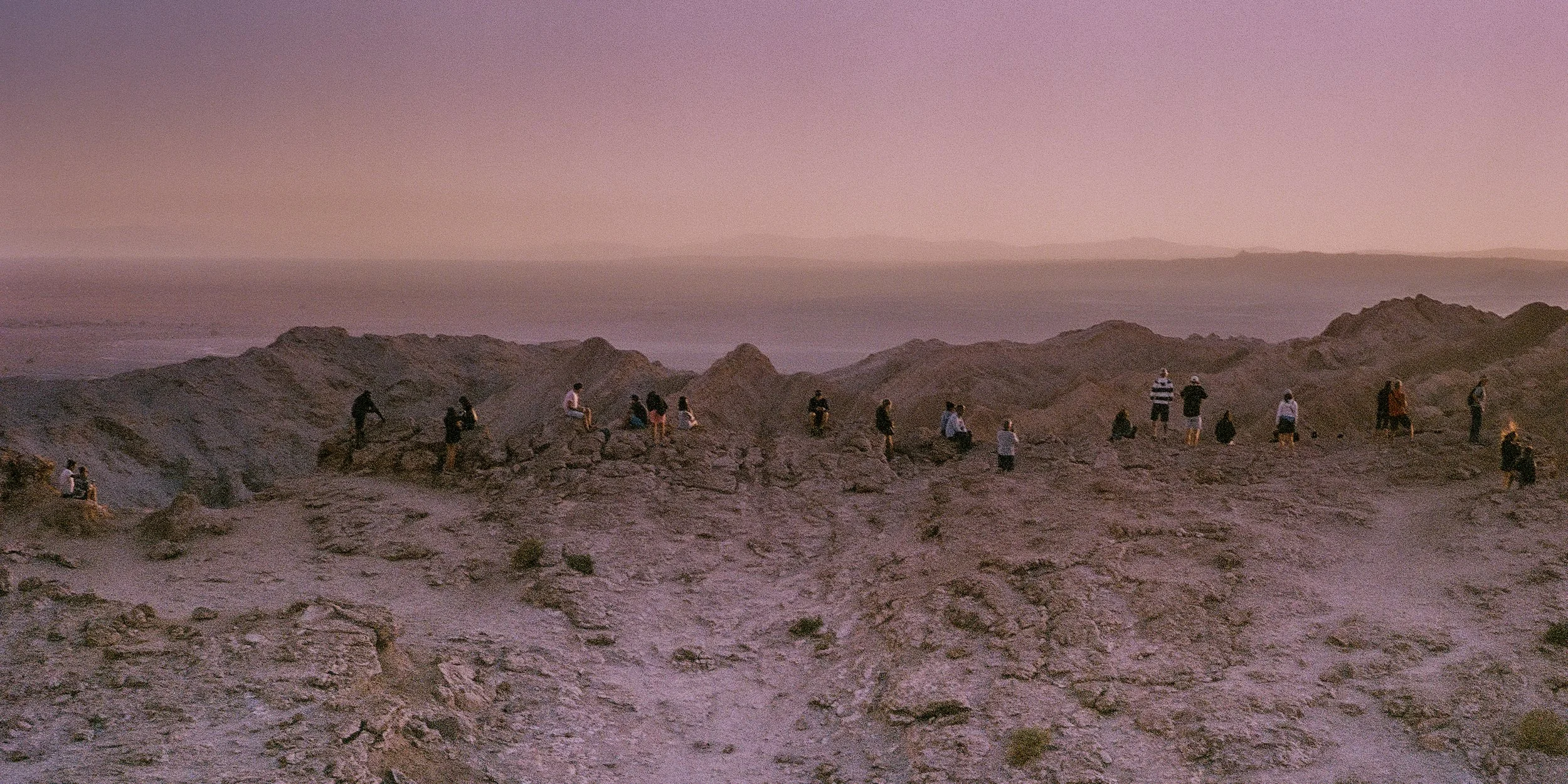
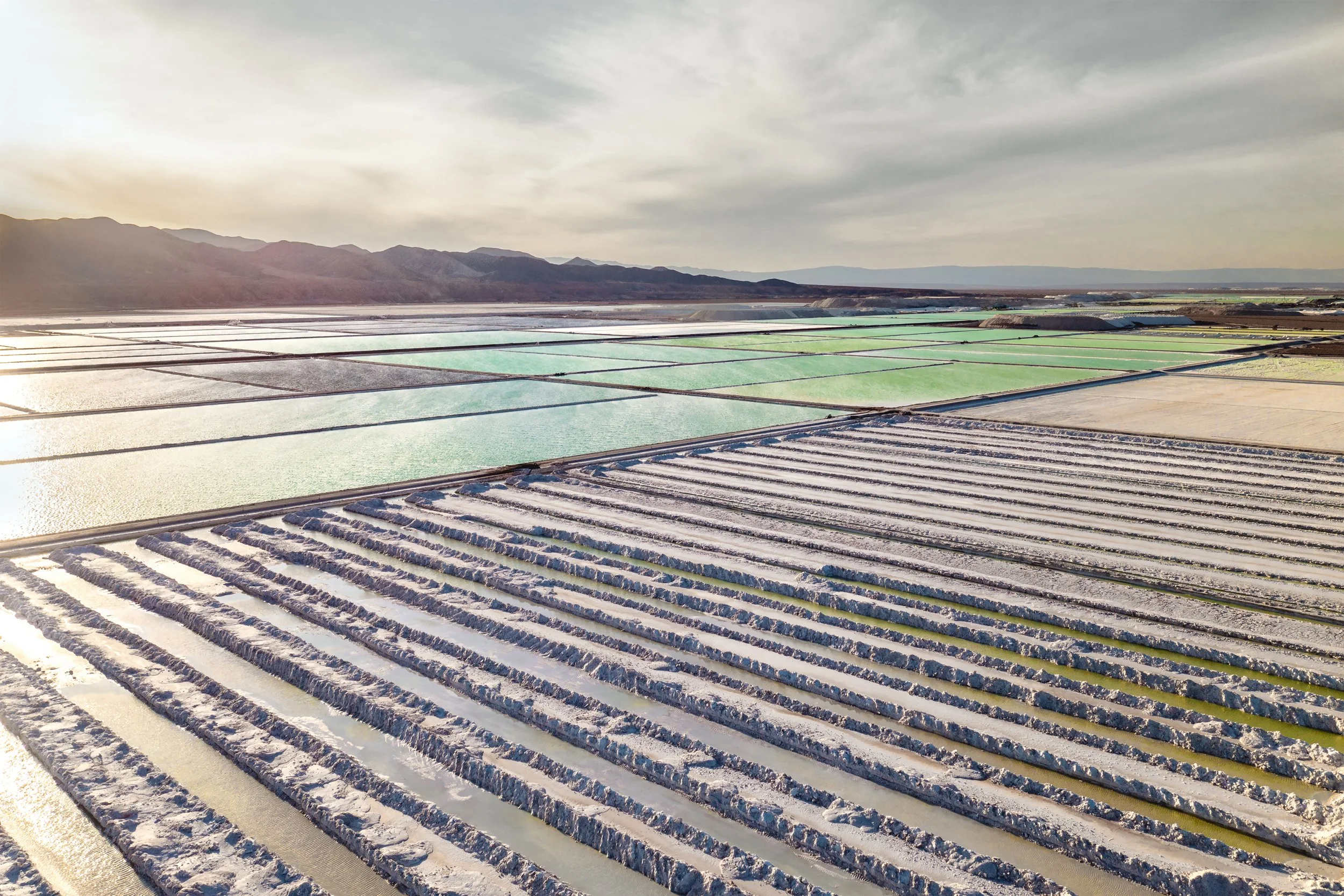
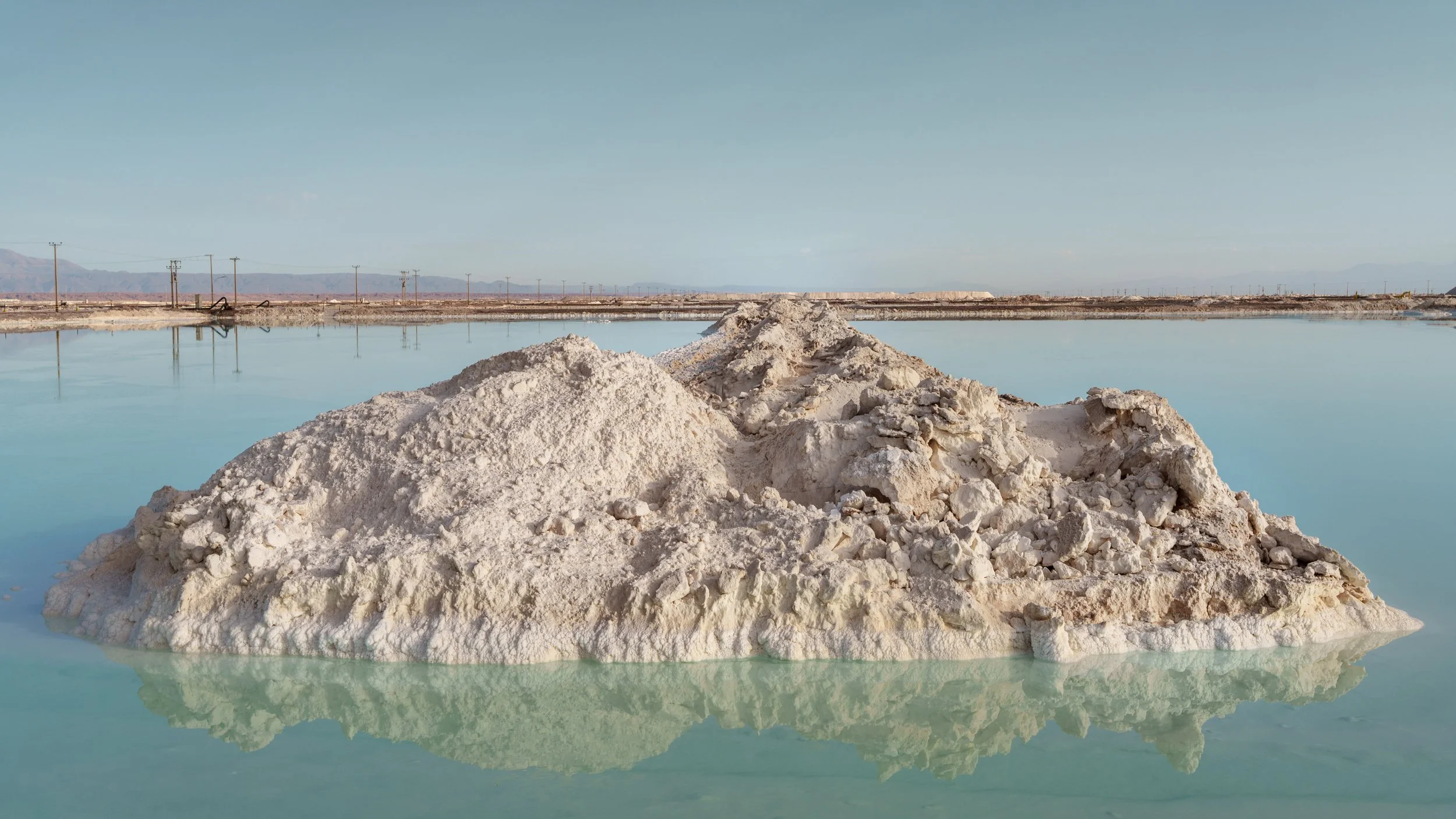
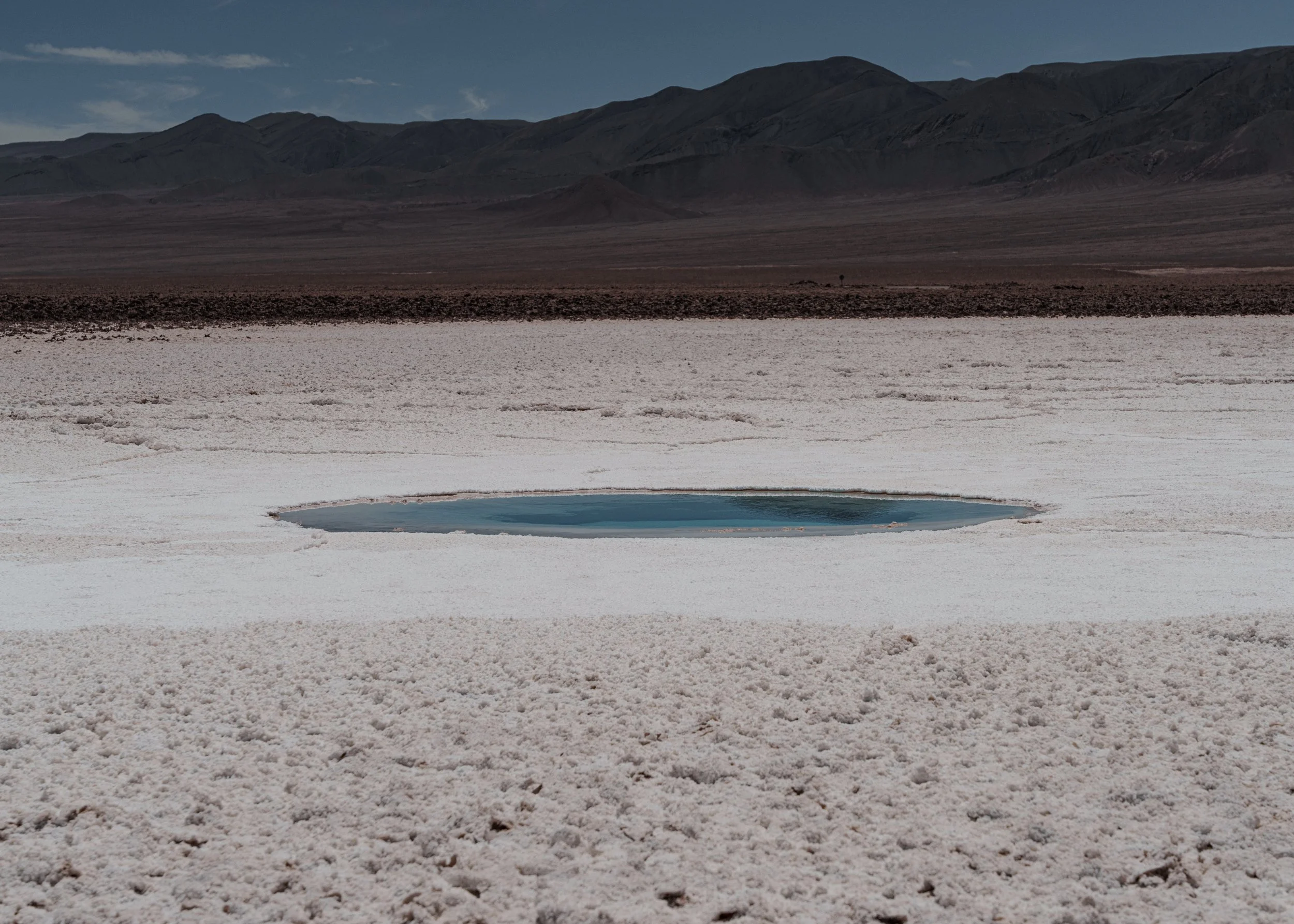
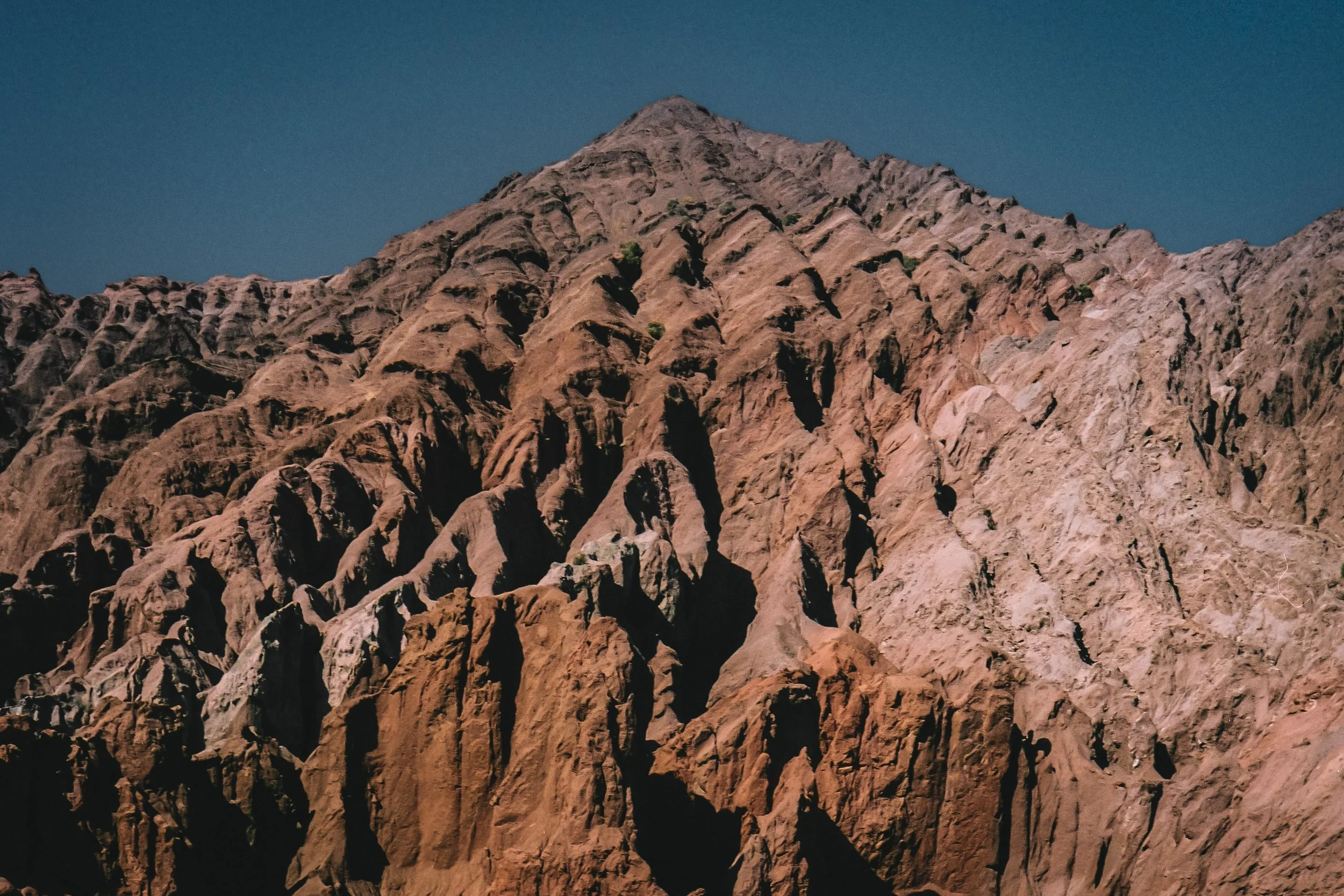
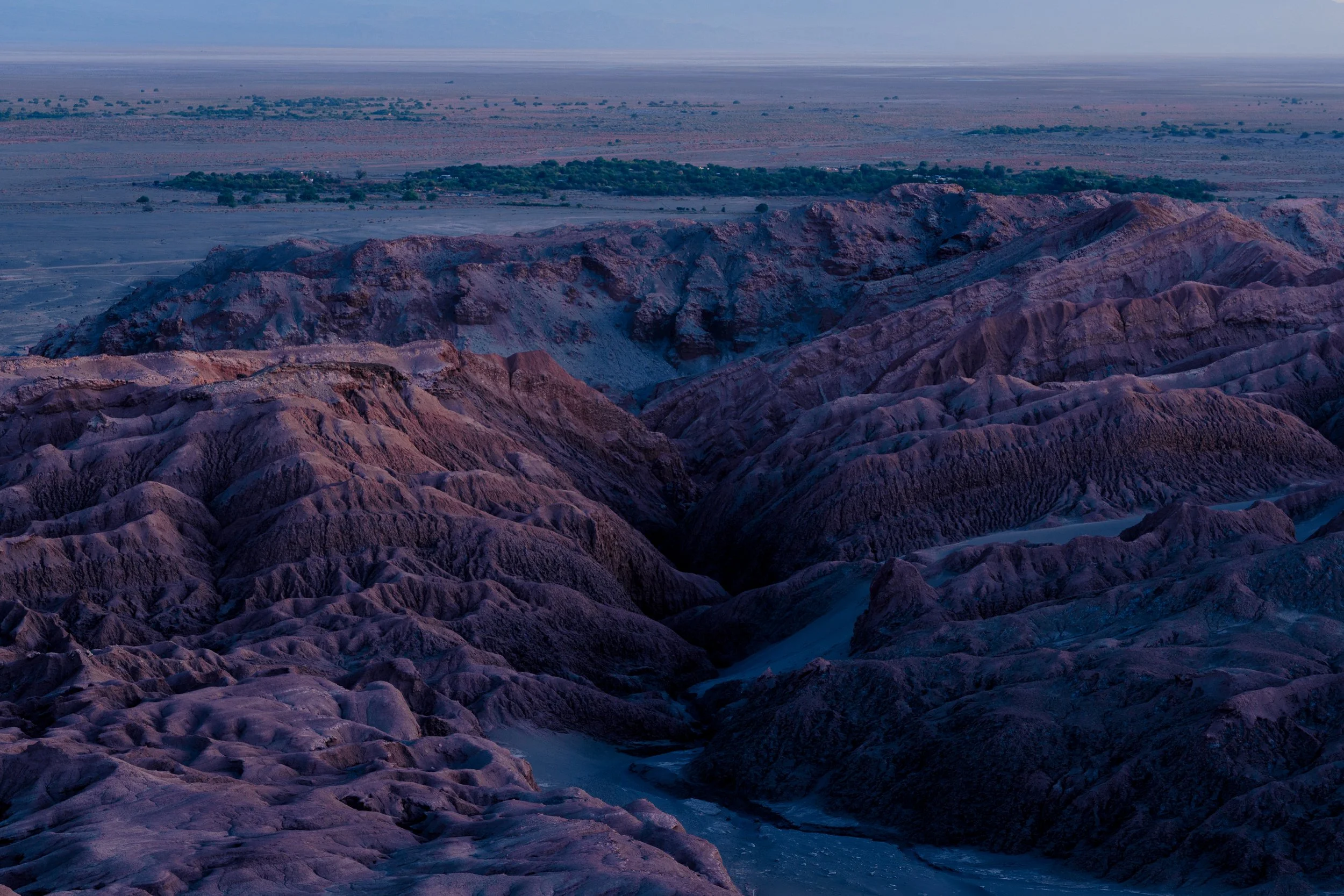
In the series , “Lithium Dreams, “ I aim to show the contrast between the Atacama’s protected areas and the mines. Tourists are attracted to the unusual colours and of the Atacama, but are generally unaware of the fact that the colours of the water and vast slat flats are the source of lithium, which is powering much of life today.
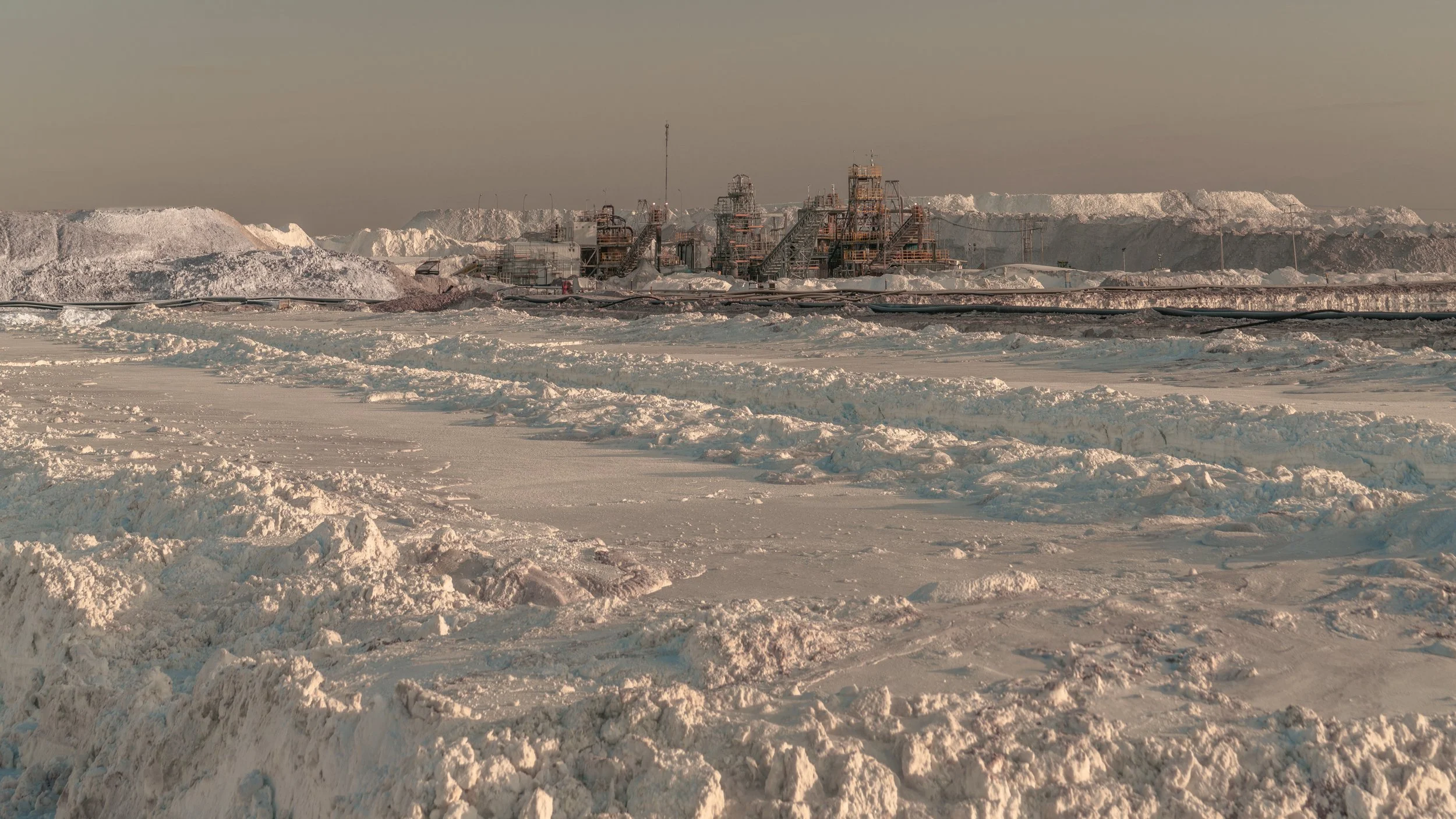
I researched the region and planned for over 2 years, but gaining access to lithium operations as an independent photographer proved challenging. In 2024, I began collaborating with the Venezuelan NGO 'SOS Orinoco' on the initial phases of a documentary project on illegal mining in South America. Through this collaboration, I gained official access to the largest lithium mine in Chile (and the second largest in the world), a major player in the global green economy. I was granted access to the second largest lithium mine in the world and the largest lithium mine using the solar evaporation method from brine pools. The largest lithium mine in in Australia and extracts lithium from ores in Hard Rock. Brine extraction is less energy-intensive than rock mining but uses a lot of water, raising environmental concerns.
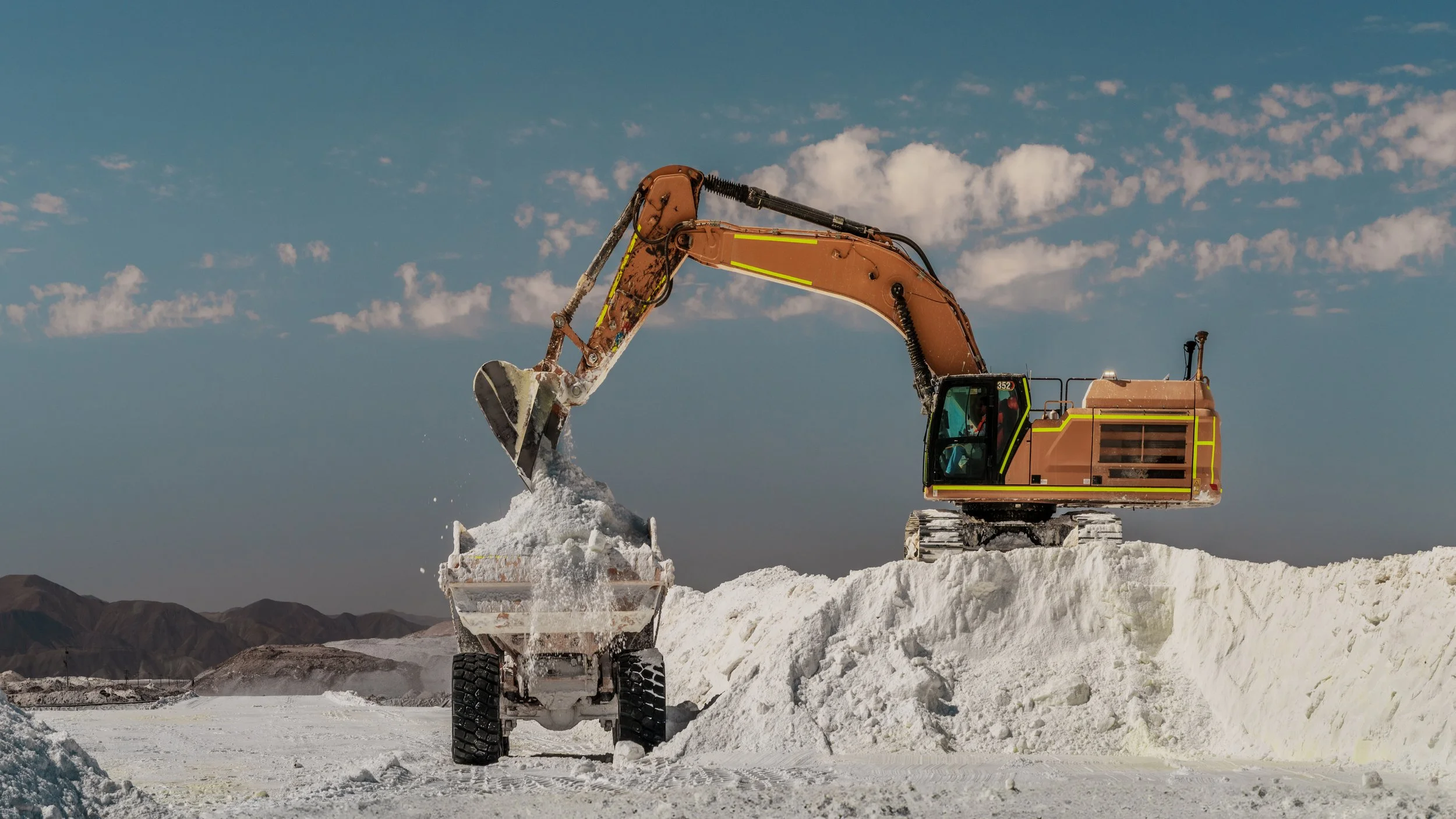
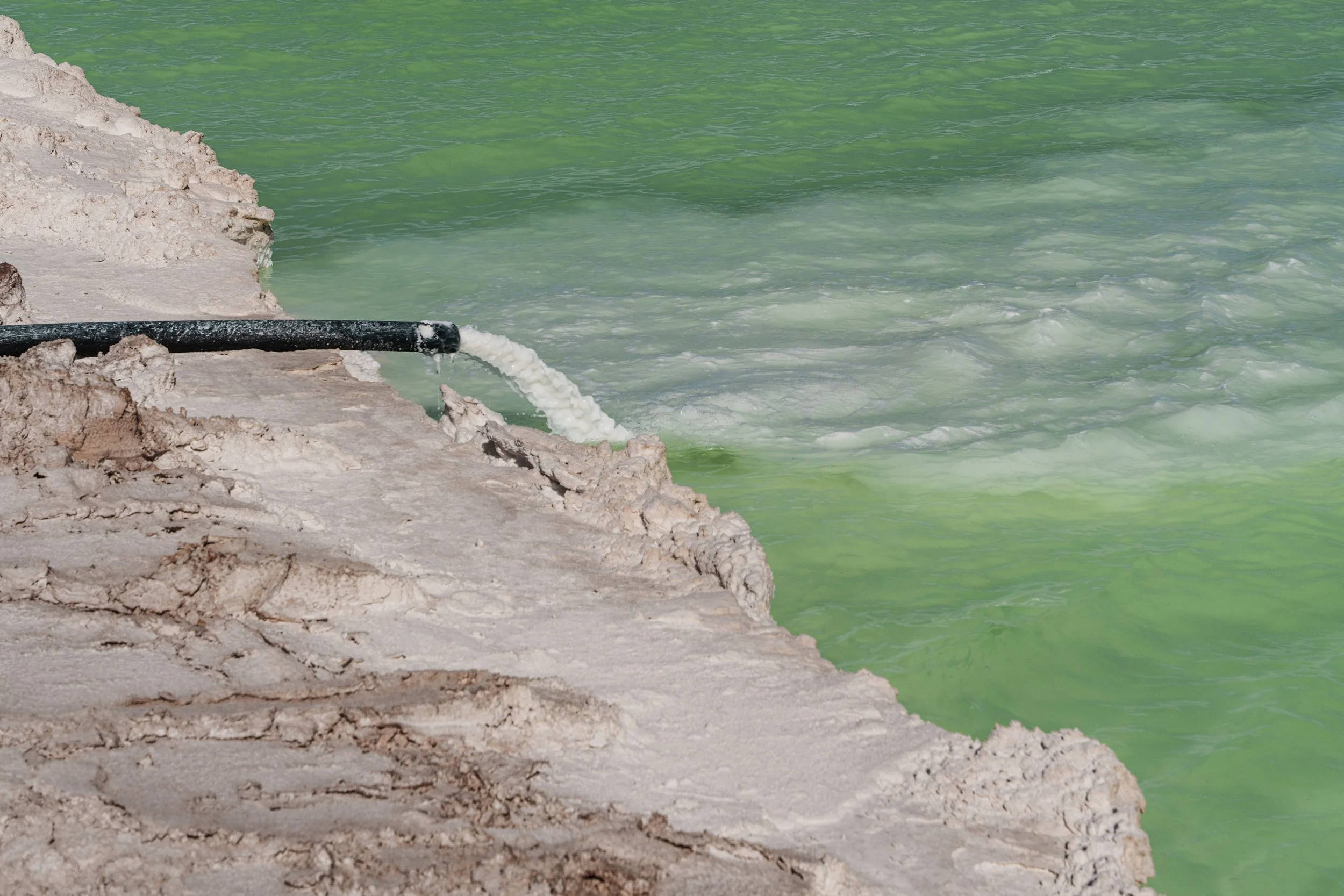
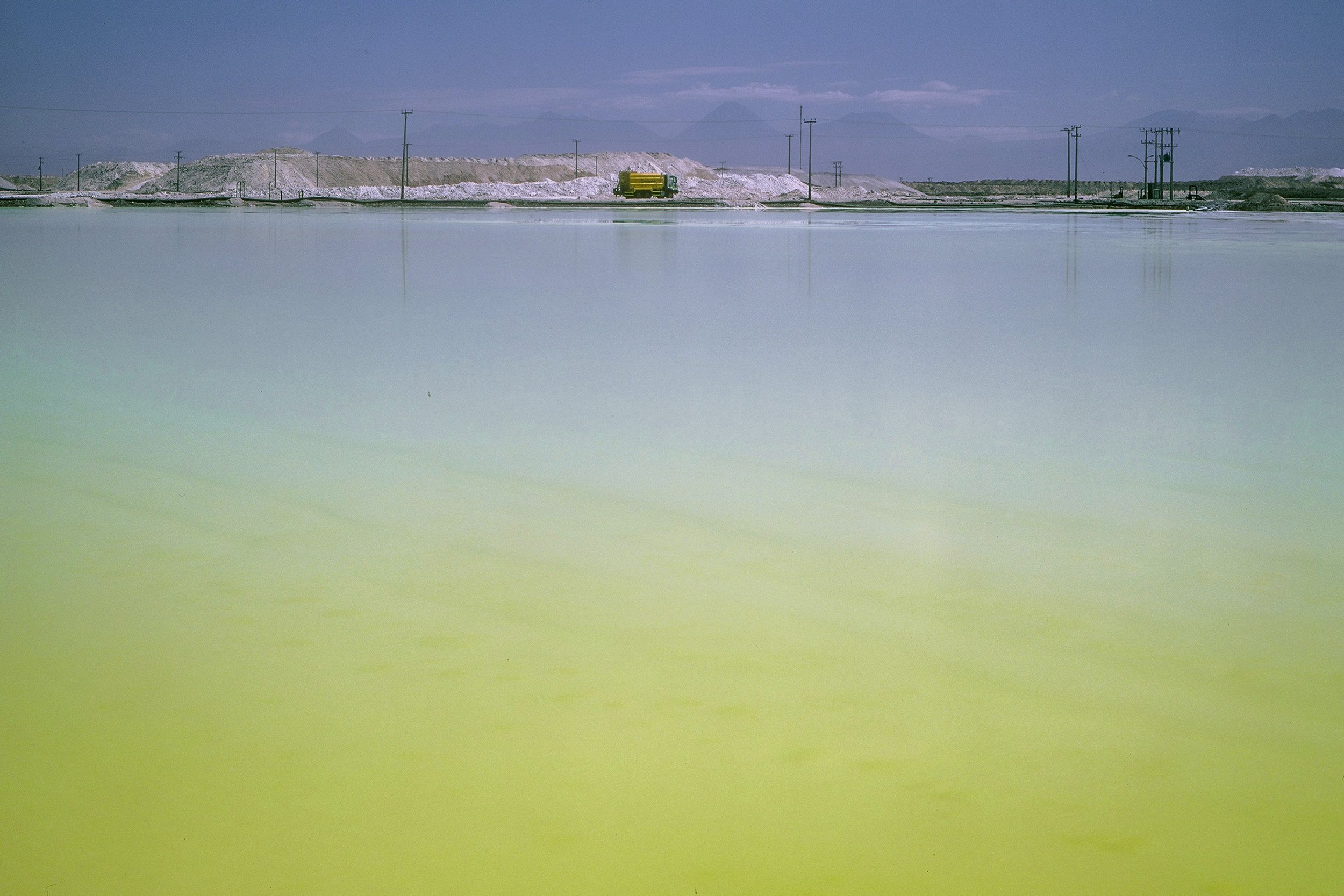
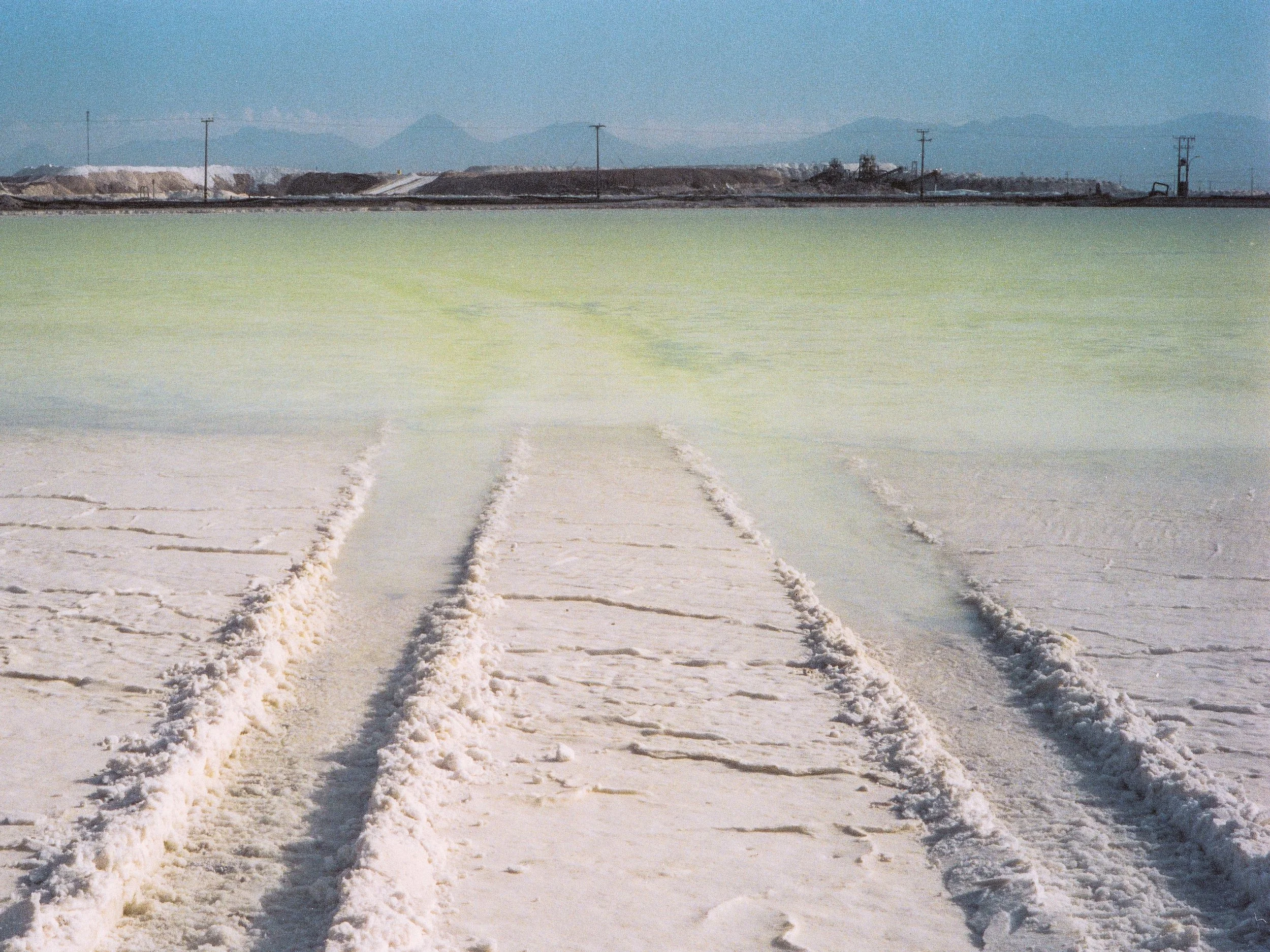
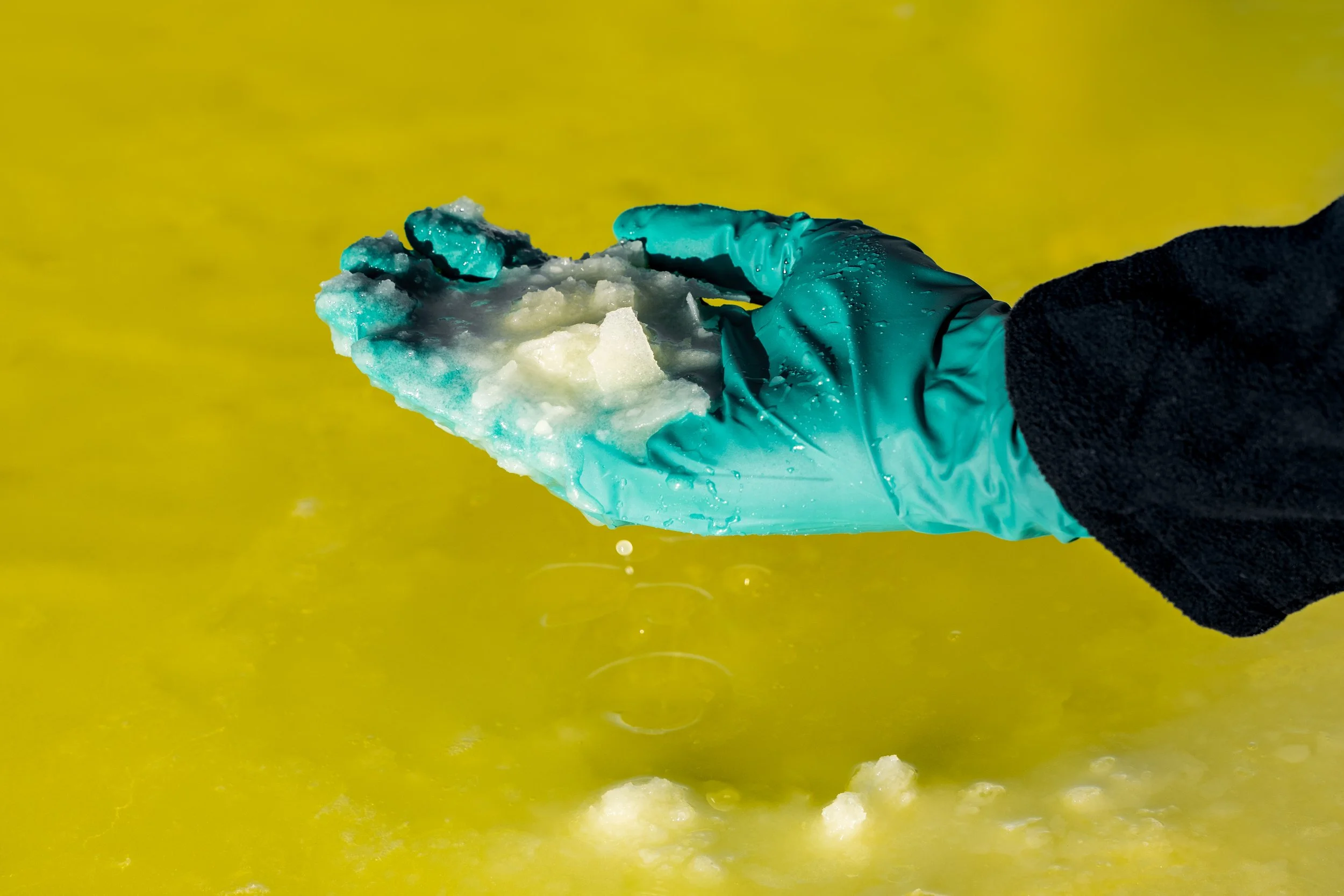
Brine extraction pumps lithium-rich saltwater from underground aquifers into evaporation ponds. Over 12-18 months, solar evaporation concentrates lithium, which is then processed into lithium carbonate. The vivid hues of the lithium fields, or ponds, are caused by different concentrations of lithium carbonate. Once it brine moves to the last pond where it turns thick and bright yellow, they haul it away to a processing plant . Consumer demand for lithium-based products containing batteries such as cell phones, electric vehicles is steadily increasing. Lithium is also used in automotive lubricant, ceramics and glass manufacturing.
This is creating a mining frenzy in the Atacama that has sparked some controversy. Local communities have expressed concern over the recent growth of the mines, claiming that mining activity is reducing their already limited water supply. However, recent government-sponsored studies state that the brine water comes from a separate source from the community water supply and is unsafe for consumption. Regardless, water levels in the natural salars surrounding the mines are currently at record lows, which could harm the unique ecosystems there. The Chilean government and mining companies are implementing solutions to reduce water consumption. They have initiated a plan to reduce water use by 50 percent by 2030 and transition to Direct Lithium Extraction (DLE). Critics say they need to implement more immediate and drastic measures.
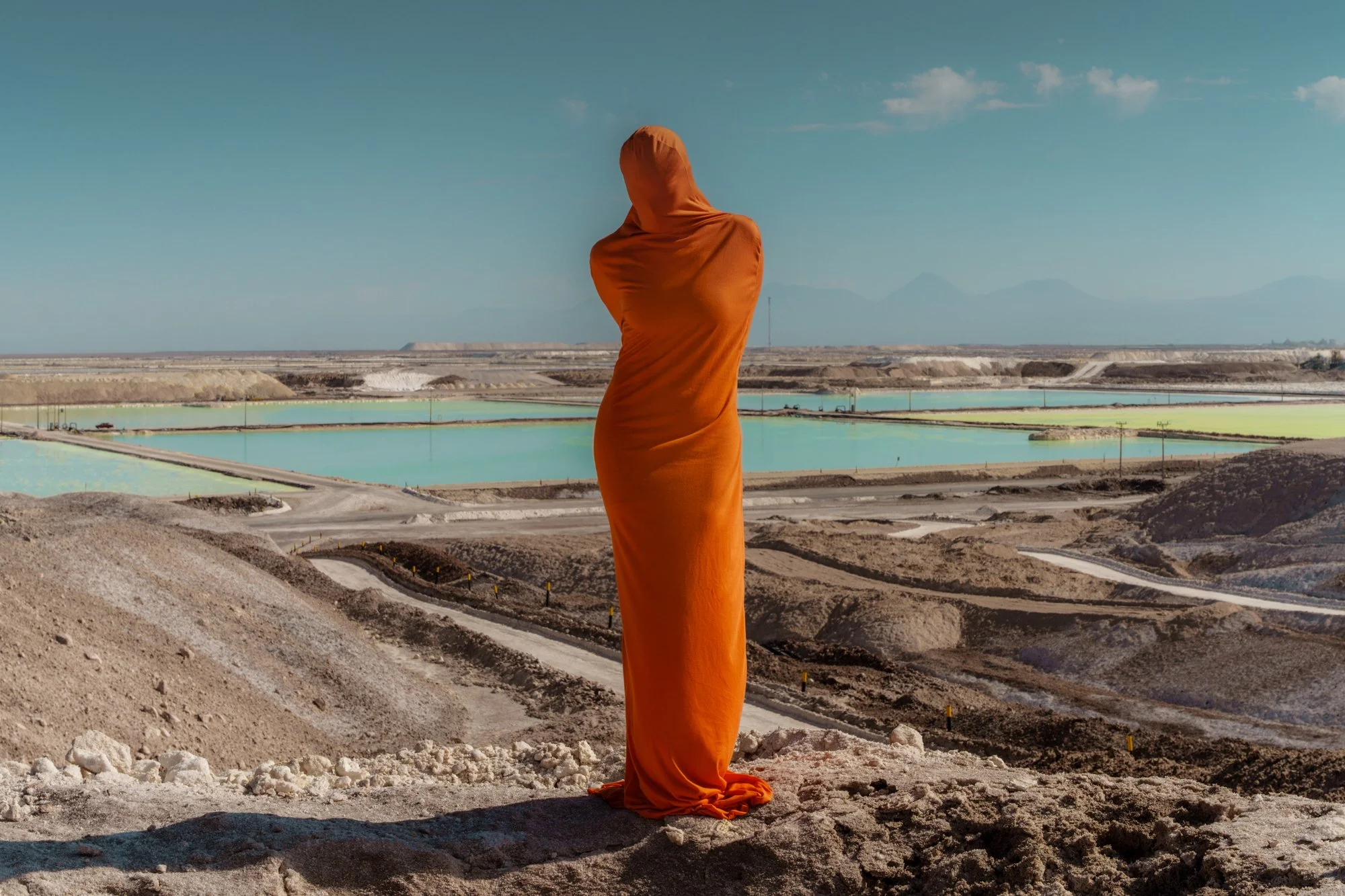
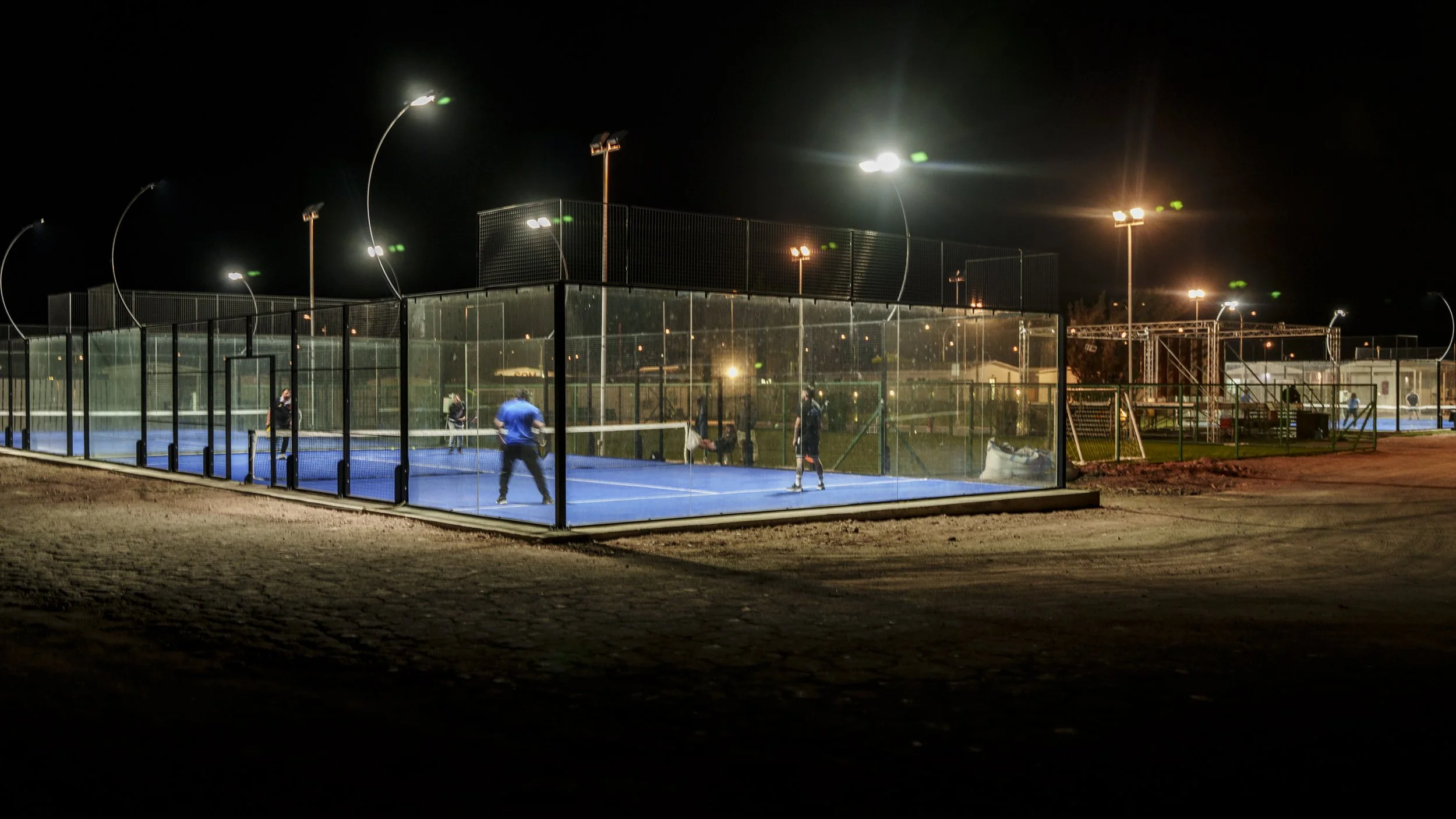
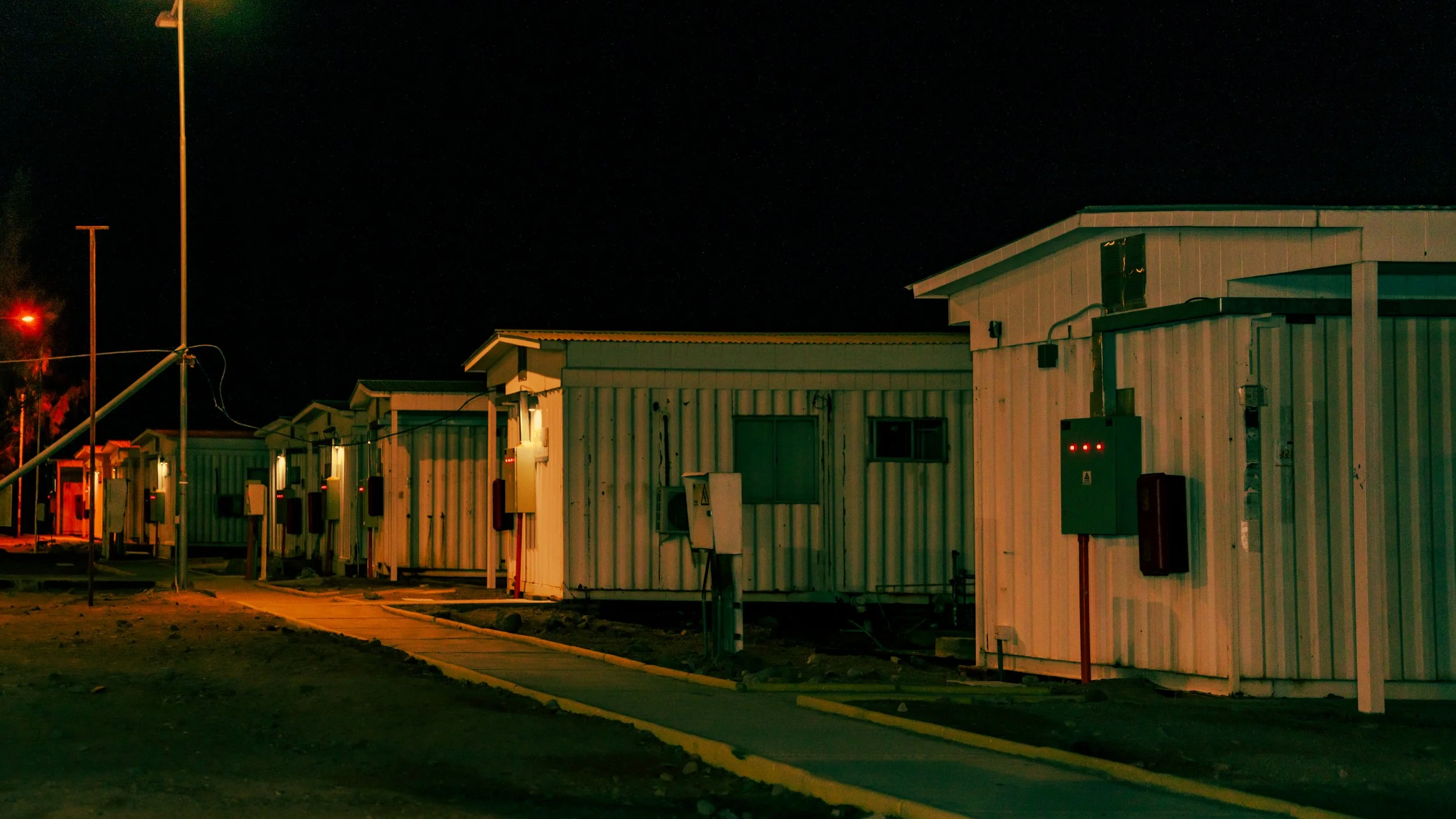
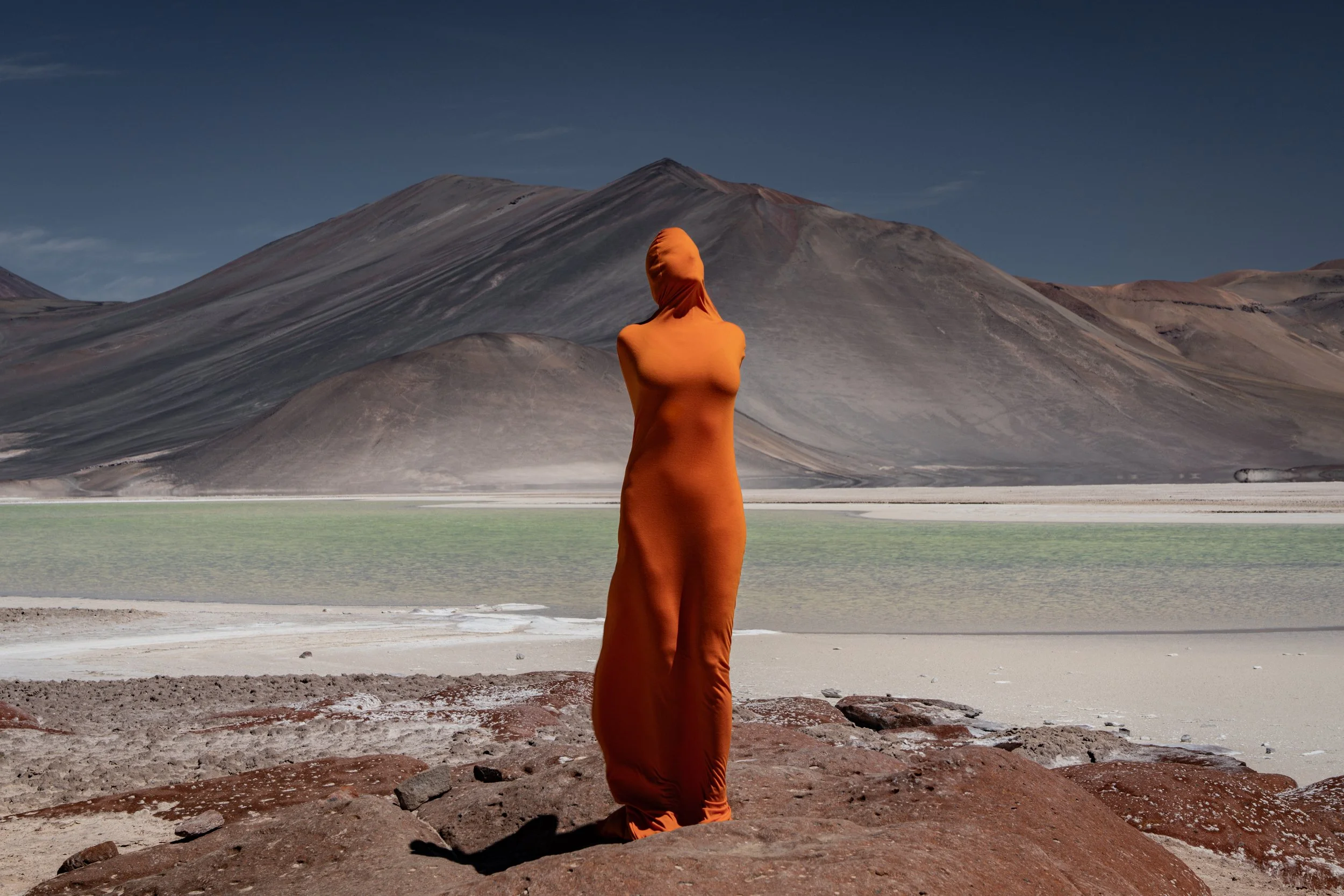
Mining companies in Chile pay attractive salaries with benefits and employ thousands in rural areas. During my visit, I stayed in the miners' camp and documented the miners' living quarters and recreational facilities. Locals I interviewed claimed that working in the lithium mines is desirable employment that provides upward financial mobility, but the water levels in the natural salt ponds and fresh water sources are diminishing. To offset this, the mines have initiated programs to help local communities, providing health care, education, cultural and infrastructure projects. But critics claim this is greenwashing. I have included some conceptual photographs of myself in the scene, draped in fabric, echoing art-historical female archetypes. I am a witness to the scene and serve as documentation of an often absent female presence in the landscape.